What to Do When a Hydraulic Hose Fails on the Job Site: Emergency Steps for Hydraulic Hose Repair
A hydraulic hose failure can stop a job site instantly. Knowing the right steps protects your crew, your equipment, and your schedule. In this guide, we cover what to do when a hose blows, how to contain the mess, when to attempt a temporary fix versus calling a professional, and what hydraulic hose repair looks like when our technician arrives. Whether you operate excavators near the Poudre River corridor, farm equipment east of Greeley, CO, or a construction crew in Weld County, the response process is the same.
Immediate Steps After a Hose Failure
Hydraulic fluid sprays under extreme pressure and can penetrate skin even when the stream looks thin. Follow these steps in order.
Step 1: Shut down the equipment immediately
Do not restart it. Residual pressure can remain in the system for several minutes after shutdown.
Step 2: Keep everyone clear of the area
Mark off a perimeter. Hydraulic fluid on the ground is a slip hazard, and a pressurized spray can cause injection injuries that look minor but require immediate medical attention.
Step 3: Do not touch fittings or open any lines
Loosening a fitting before pressure is fully relieved can release a dangerous burst of fluid.
Step 4: Relieve stored pressure safely
Consult the operator's manual for the correct depressurization procedure. Some machines have a pressure-release valve; others require specific lever movements with the key on but engine off.
How to Contain Hydraulic Fluid on a Job Site
Spilled hydraulic fluid must be contained right away to protect the environment, keep the work area safe, and comply with local regulations in Northern Colorado.
Use absorbent materials such as kitty litter, sand, or commercial spill kits to cover the fluid. Place a drip pan under the failed hose before any inspection. Avoid letting fluid run into storm drains, irrigation ditches, or soil near crops. Weld County agricultural operations near Greeley, CO, are especially vulnerable given proximity to irrigation infrastructure. Photograph the spill and failed hose before cleanup so we can help diagnose the cause.
When to Attempt a Field Fix Versus Call a Professional
When a Temporary Field Repair May Be Acceptable
A short-term field repair may be reasonable if the hose is a low-pressure return line, you have the correct replacement hose and fittings on hand, and we can inspect the machine the same day. Even then, a proper hydraulic hose repair by one of our trained technicians is always the safer choice.
When You Should Call a Professional Right Away
Call us immediately if the hose is on a high-pressure circuit such as a cylinder feed, pump outlet, or drive motor line. Also call right away if a fitting has cracked or separated, if multiple hoses are weeping, if the equipment carries personnel, or if you do not have the correct replacement parts on site. An undersized hose on a high-pressure circuit can fail within minutes and cause injury.
What to Expect From Emergency Hydraulic Hose Repair Service
Our hydraulic hose repair service in Greeley, CO, and the surrounding Northern Colorado area typically follows this workflow.
List of services
-
System inspectionItem link List Item 1
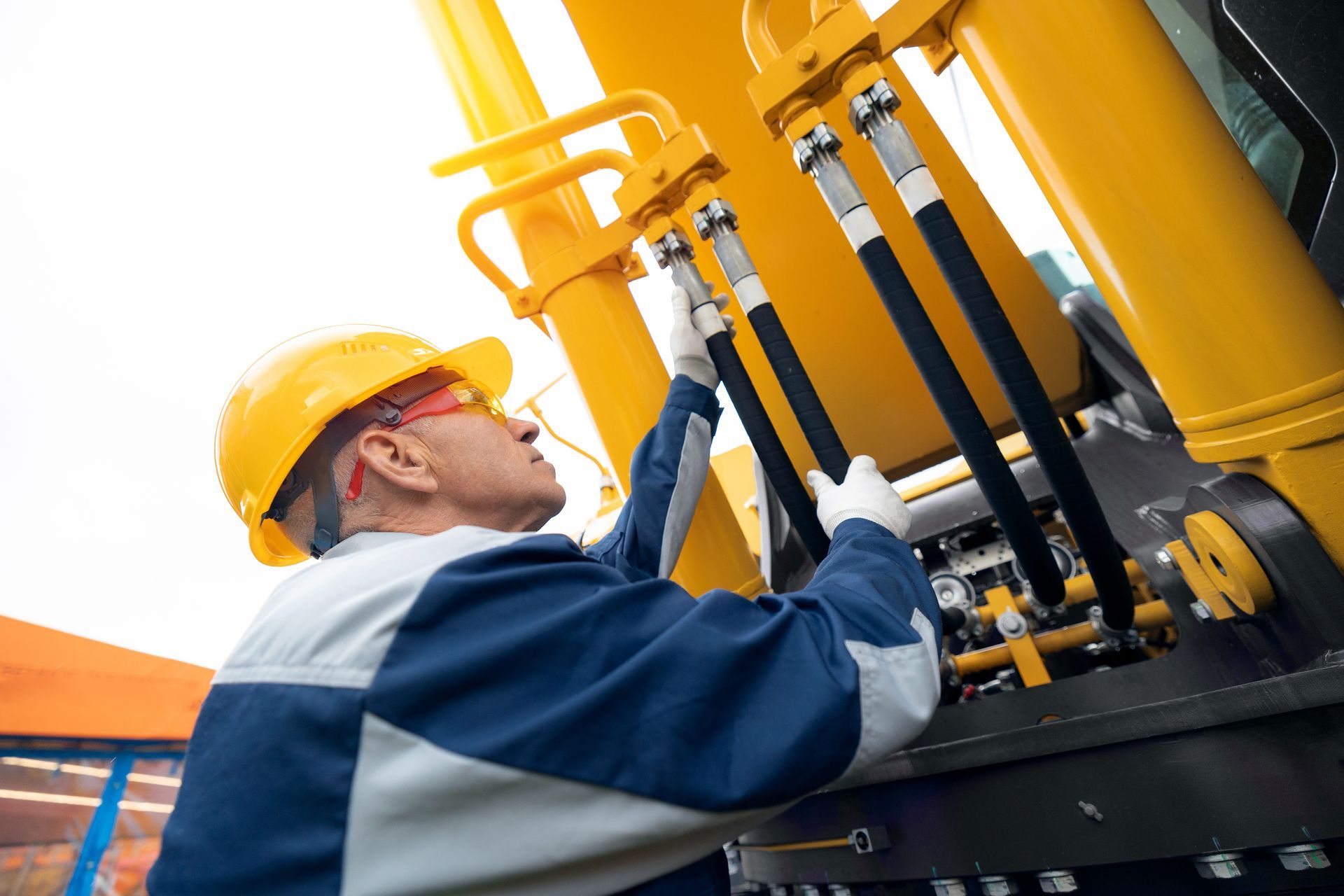
We check the full system, not just the failed hose. A blown hose can indicate a pressure spike from a failing pump or blocked filter.
-
Hose identificationItem link List Item 2
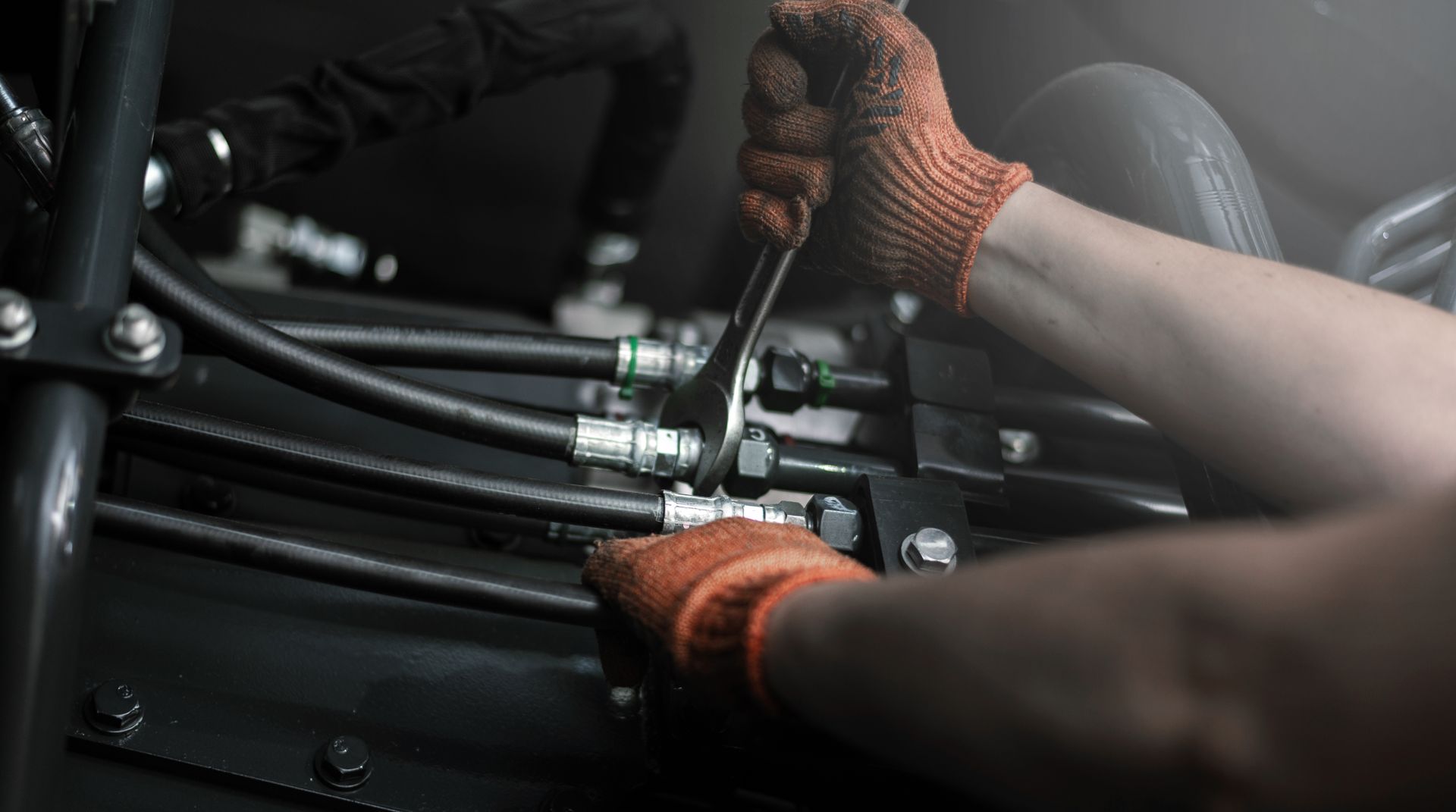
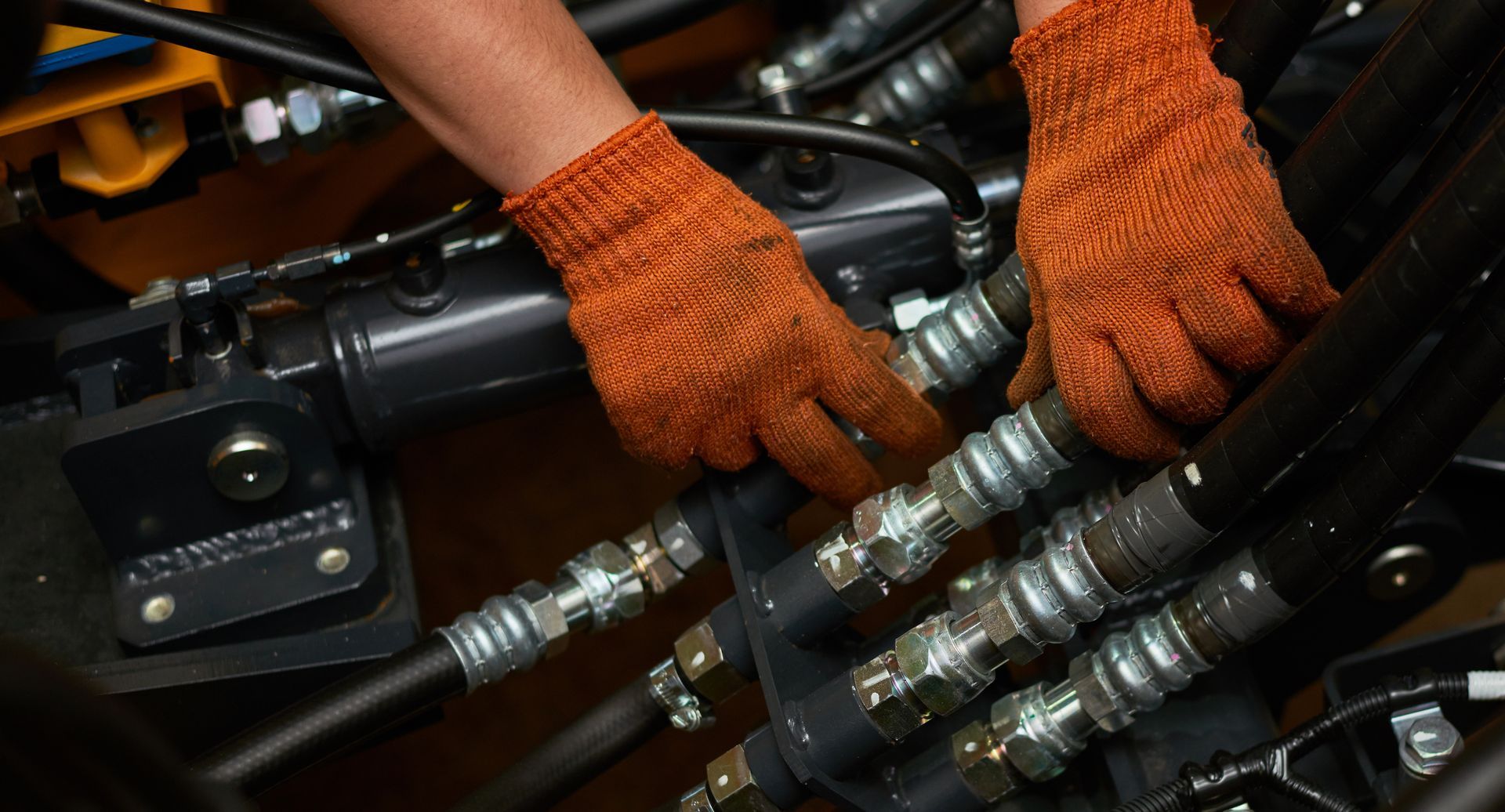
We measure diameter, length, pressure rating, and fitting type. Matching specs exactly is critical.
-
Fabrication or replacementItem link List Item 3
We carry hose stock and can fabricate a replacement on site or provide same-day shop service.
-
Pressure testingItem link List Item 4
We test the repaired line under pressure before your machine returns to service.
-
Root cause reviewItem Link
We explain why the hose failed, whether from age, abrasion, improper routing, or excessive pressure.
How Long Does Emergency Hydraulic Hose Repair Usually Take?
We can often complete standard hose assemblies within a few hours because we carry a broad inventory. Complex or high-pressure assemblies may require additional fabrication time. Contact us as soon as failure occurs to minimize downtime.
Can You Prevent Hydraulic Hose Failures Before They Happen?
Regular inspection reduces the risk of sudden failure. Check hoses for cracking, bulging, or abrasion wear at each start-up and look for wet spots around fittings. Keep hoses routed away from sharp edges, hot exhaust components, and areas where they can be kinked or crushed. Replacing aging hoses on a schedule is far less disruptive than an emergency shutdown in the middle of a pour or harvest run.
What Causes Hydraulic Hoses to Fail?
Common causes on job sites in Weld County and the Greeley area include age and UV degradation from Colorado's high-altitude sun, abrasion from contact with metal components or rough terrain, pressure spikes from a failing pump or relief valve, improper installation such as hoses that are too short or twisted, and contaminated fluid that degrades the hose lining from the inside. Ask us to inspect beyond the immediate repair area.
Get Back to Work With a Team That Knows Northern Colorado Equipment
When a hose fails and every minute of downtime costs money, you need a shop with the inventory and experience to respond fast. At Pro Hydraulic & Machine Inc., we serve Greeley, CO, and the surrounding Northern Colorado region with hydraulic hose repair and custom hose fabrication for construction, agriculture, dump trucks, and industrial equipment. We fabricate assemblies on-site, pressure-test every repair, and work to get your machine back in service with minimal delay.
To request service or get a free estimate, visit the schedule hydraulic repair service page or learn more about hydraulic hose repair and custom fabrication. You can also call (303) 420-9866 to speak directly with our team.
Find Pro Hydraulic & Machine Inc. on Google to connect with us and see reviews from Northern Colorado customers.