Hydraulic hose failure is one of the most common reasons equipment sits idle on job sites across Northern Colorado. Knowing the warning signs early can save Greeley-area operators serious time and money in 2026.
Construction crews working the Greeley-Weld County corridor, farmers running irrigation and harvesting equipment east of town, and industrial operators throughout Weld County all depend on hydraulic systems to keep their workday moving. When a hose lets go without warning, the result can be more than a messy fluid spill. It can mean a full equipment shutdown, safety risks for nearby workers, and damage to other system components that drives up total repair costs.
The good news is that hydraulic hoses rarely fail without sending signals first.
Top Causes of Hydraulic Hose Failure in 2026
Most hydraulic hose failures are preventable with regular attention. Understanding root causes helps operators take action before a small problem becomes a full system failure.
Abrasion and external wear are among the most frequent culprits. Hoses that rub against metal edges, frames, or other hoses will eventually wear through the outer cover and compromise reinforcement layers underneath. On Greeley-area construction and ag equipment operating in dusty, rocky terrain, this wear accelerates quickly.
Pressure spikes also shorten hose life significantly. When system pressure surges beyond a hose's rated capacity, internal layers may crack or separate. This is often caused by a malfunctioning relief valve or sudden load changes during operation.
Improper routing is another common cause. A hose bent too tightly near a fitting, kinked during installation, or run without adequate support develops stress points that lead to early failure.
Age and heat degradation round out the list. Greeley's high-altitude sun combined with summer heat above 90°F accelerates outer cover breakdown on hoses with any existing surface damage.
How Northern Colorado's Freeze-Thaw Cycles Affect Your Hoses
Greeley's climate creates a seasonal challenge many operators underestimate. Winter temperatures in Weld County can drop well below freezing overnight, then rebound quickly in afternoon sun. This repeated freeze-thaw cycle puts real stress on hose materials.
When hydraulic fluid thickens in cold temperatures, startup pressure surges increase significantly. A hose that is already aged or has minor damage may not handle that added stress. Fittings can also contract slightly in the cold, affecting seal integrity at connection points.
Spring thaw season is a critical time to inspect hoses. After a Greeley winter, a close visual check of any hose that faced prolonged cold exposure is worth doing before the busy season begins.
Visual Inspection Checklist for Equipment Operators
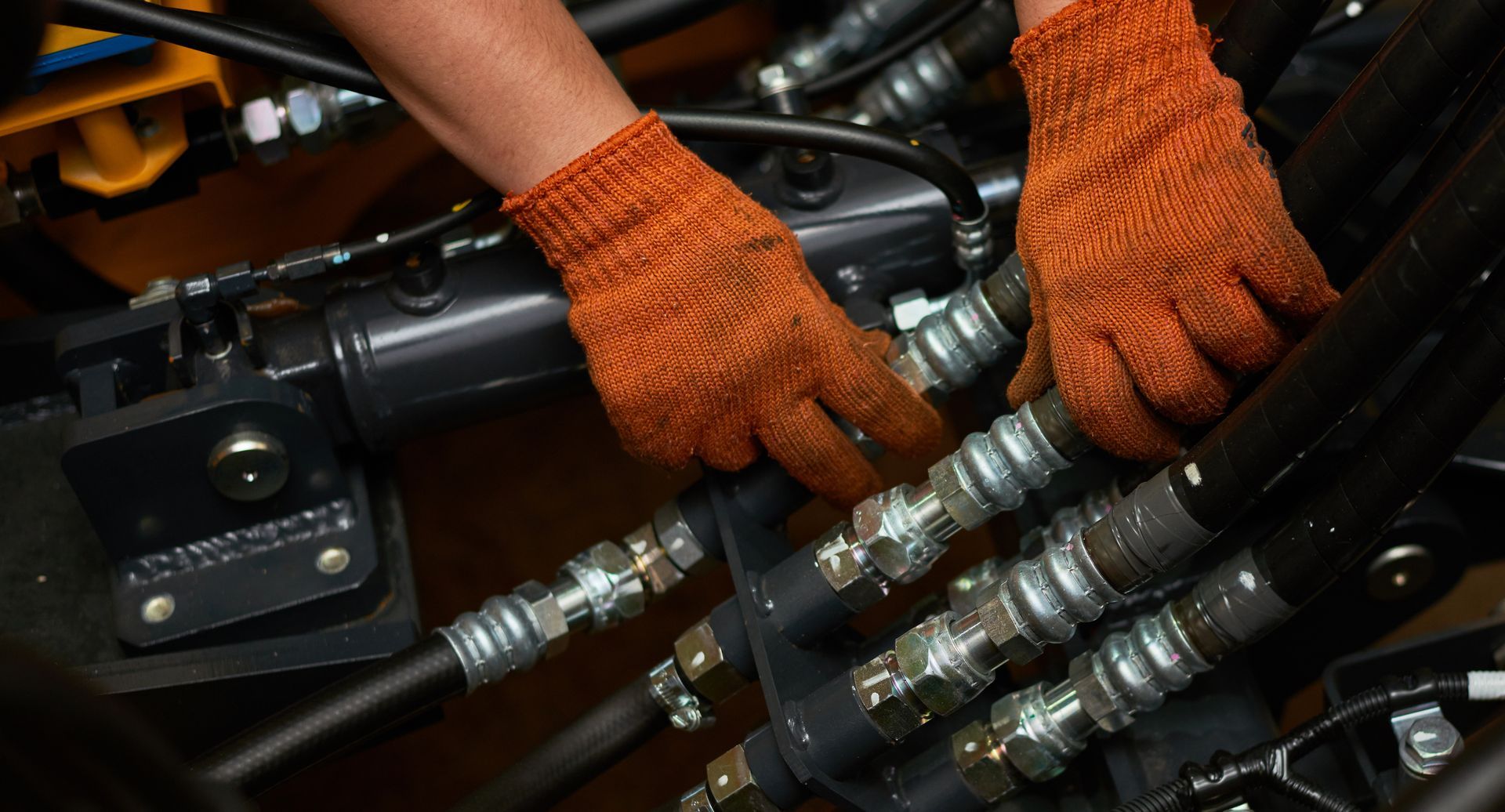
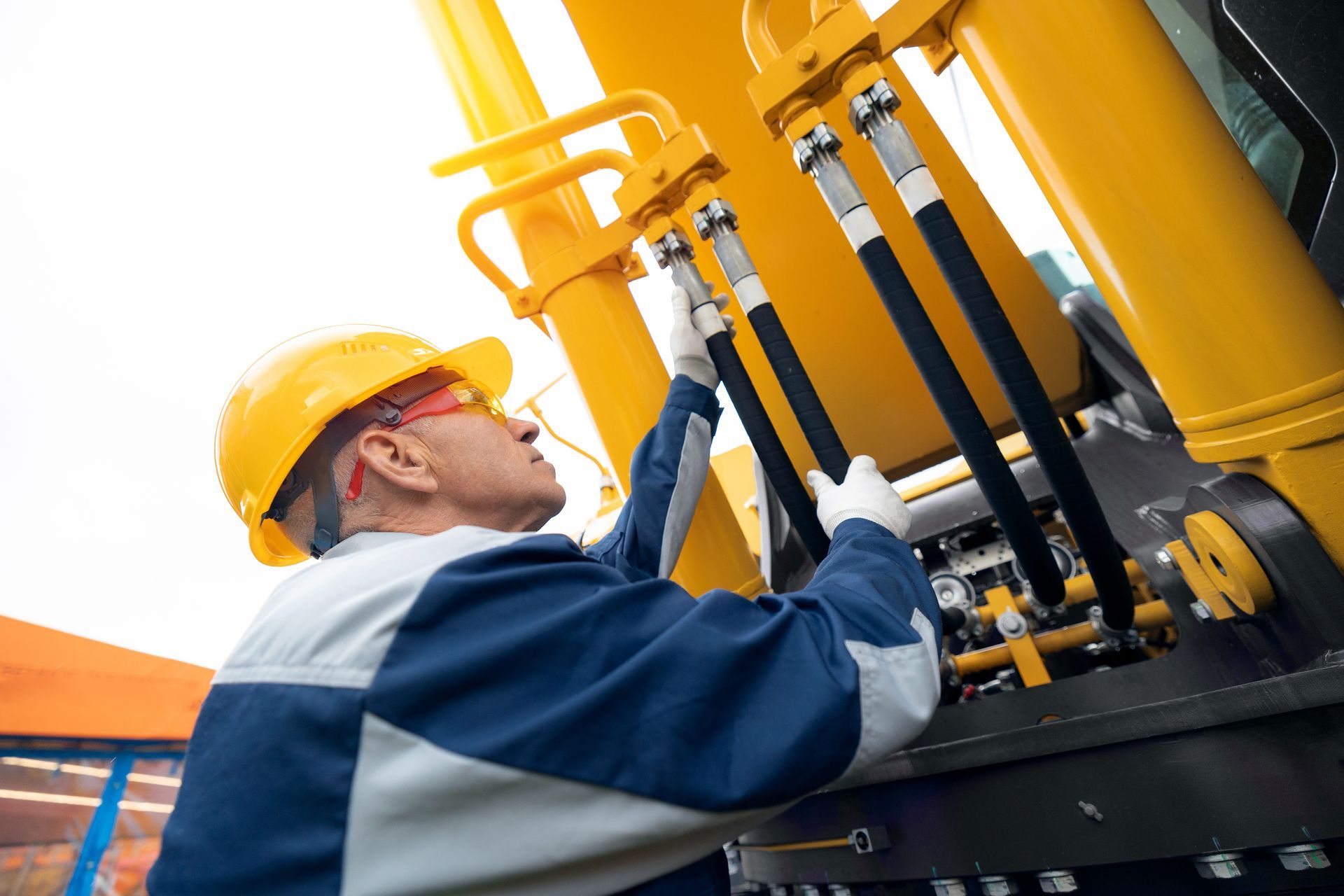
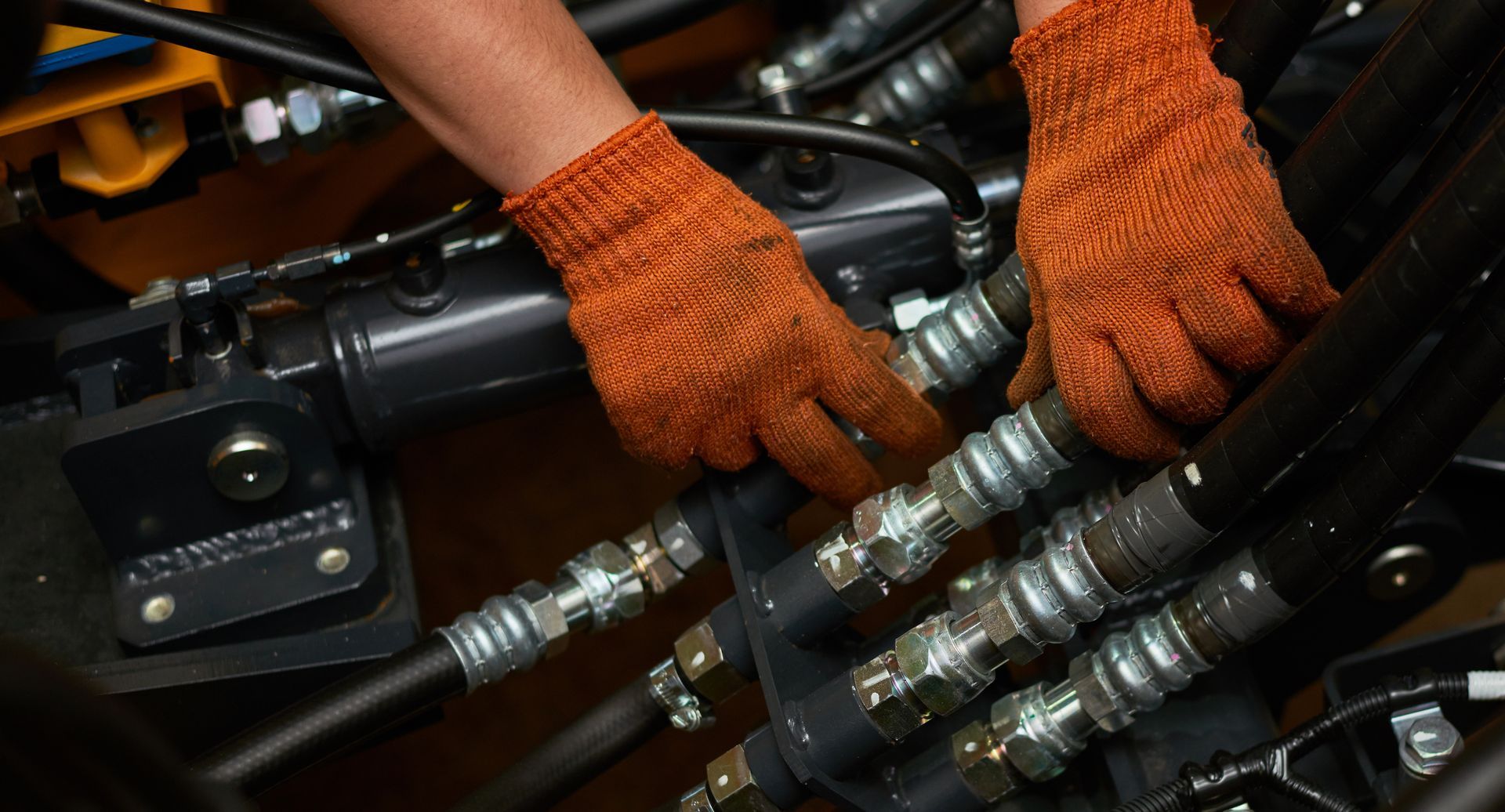
Catching problems early starts with regular visual checks. Look for these warning signs before scheduling professional hydraulic hose repair:
- Visible cracks, cuts, or abrasion marks on the outer cover
- Bulging or blistering anywhere along the hose body
- Oil weeping or active drips near fittings or along the hose
- Corrosion, rust, or deformation at the ferrule or fitting end
- Kinks or sharp bends, especially near attachment points
- A hose that has become stiff and no longer flexes normally
- Reinforcement braid visible through the outer cover
Any one of these signs is enough reason to schedule an inspection. More than one means the hose may be close to failure.
Repair vs. Replace: What Equipment Operators Should Know
Not every damaged hose needs full replacement. A minor fitting leak caught early may allow for a re-crimp or fitting swap. However, if the hose body shows cracking, bulging, or abrasion damage to the reinforcement layer, replacement is typically the safer and more cost-effective path.
Attempting to tape, clamp, or patch a hydraulic hose is never a reliable fix. Hydraulic systems operate under significant pressure, and a temporary patch can fail suddenly. Have a certified technician evaluate the hose before putting equipment back in service.
For Greeley-area equipment, hydraulic hose repair and replacement services are available with quick turnaround and custom-built assemblies to match original specifications.
What Are the Most Common Signs a Hydraulic Hose Is About to Fail?
The most common pre-failure signs include visible cracks on the outer cover, fluid seeping near fittings, hose bulging under pressure, and unusual stiffness in a hose that was once flexible. Any of these symptoms warrants immediate inspection and likely professional hydraulic hose repair before the hose gives out completely.
How Often Should Hydraulic Hoses Be Inspected?
Most equipment manufacturers recommend a visual check before each use and a more thorough inspection every 250 to 500 operating hours, or at least once per season. In Greeley's climate, a dedicated post-winter inspection each spring can catch freeze-thaw damage before the busy warm-weather season begins.
Can I Keep Running Equipment With a Leaking Hydraulic Hose?
Operating equipment with a known hydraulic hose leak is not recommended. Even a slow weep near a fitting can worsen rapidly under load, and high-pressure hydraulic fluid injection injuries are a serious safety hazard. Stop operation, document the leak location, and arrange for professional evaluation promptly.
Schedule Your Hydraulic Hose Repair With the Experts Serving Greeley
Do not wait for a full hose failure to take action. Pro Hydraulic & Machine Inc. provides expert hydraulic hose repair, custom hose fabrication, and fast turnaround for construction, agricultural, and industrial equipment serving Greeley, CO, and the surrounding Northern Colorado region. The team stocks a wide hose and fitting inventory, performs all work in-house, and offers free estimates on every repair.
Call
(303) 420-9866 to schedule your inspection or repair. You can also
request a free estimate online and get a response quickly. Find
Pro Hydraulic & Machine Inc. on Google to read reviews and connect with the shop.