Hydraulic System Repair Guide: 5 Warning Signs Colorado Equipment Operators Shouldn't Ignore

June 25, 2026
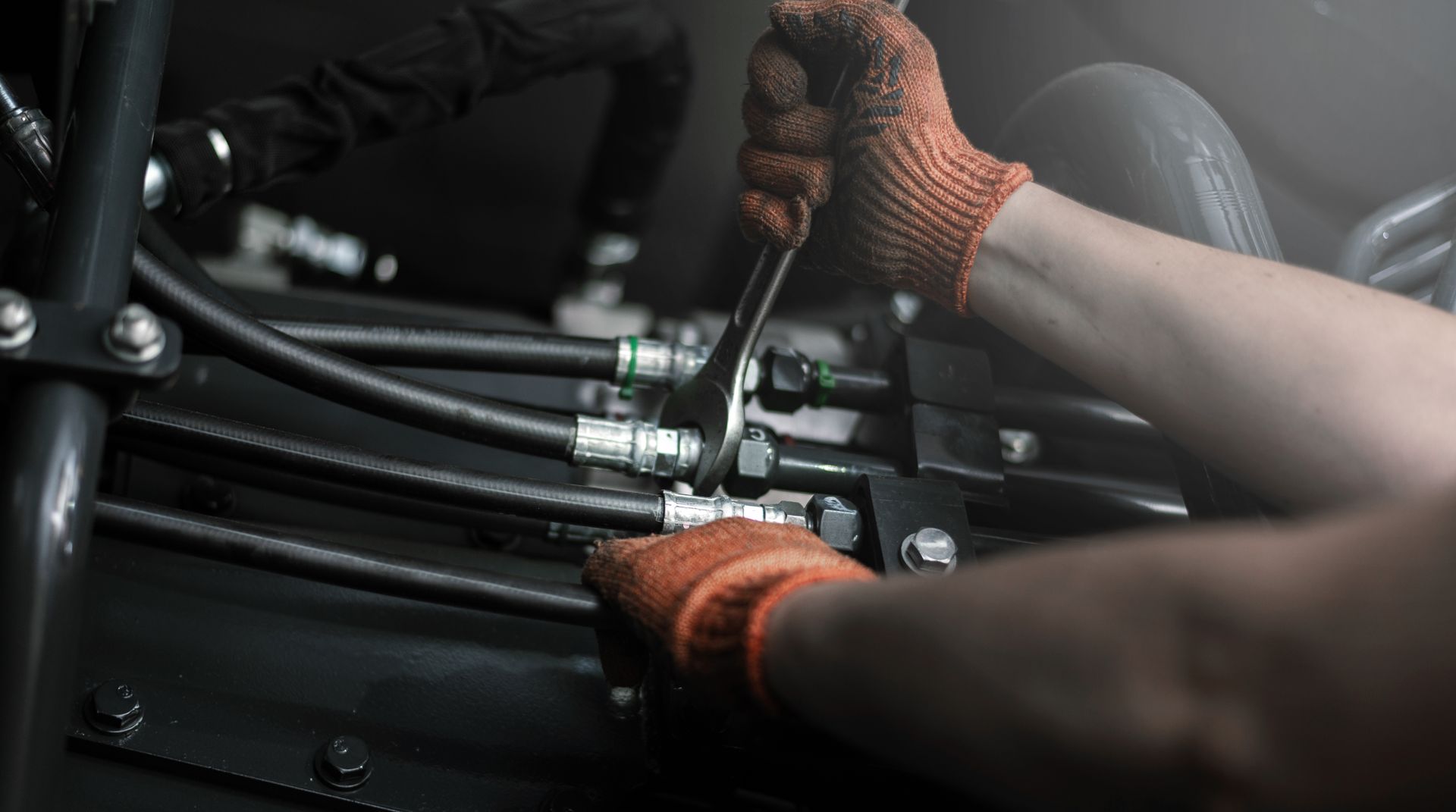
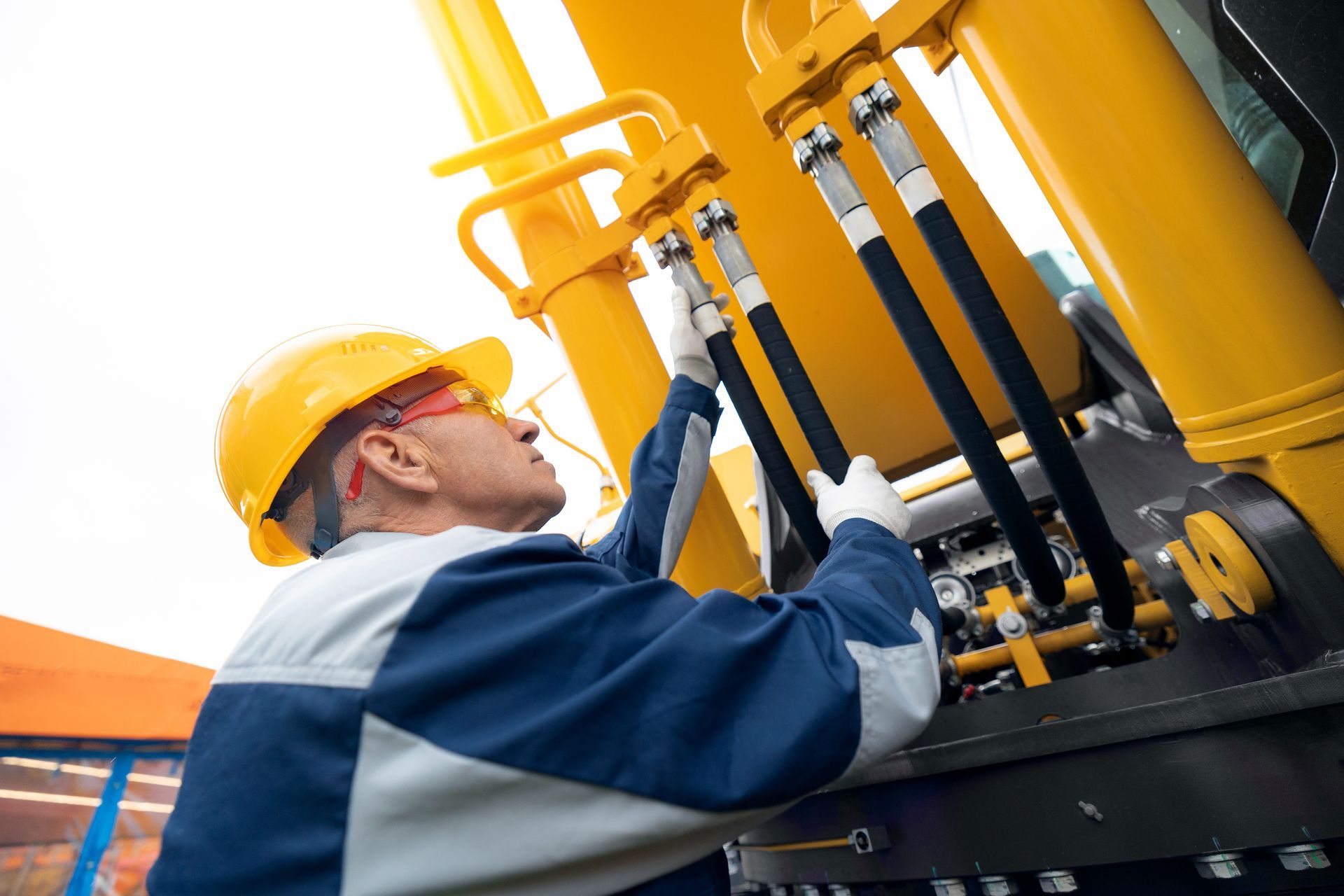
Machinery tractor mechanic checks hydraulic hose system

Is your equipment showing slower response times, unusual noises, or fluid leaks? For Colorado's agricultural and construction industries, including Greeley-area farming operations, excavation fleets, and dump truck runs along the Northern Front Range, hydraulic equipment is the backbone of daily operations. Catching hydraulic system repair problems early can mean the difference between a quick fix and a total system failure. In this article, we cover five warning signs every equipment operator serving Greeley, CO, should know.

What Are the Most Common Warning Signs Your Hydraulic System Needs Repair?

Hydraulic systems often signal trouble before they fail completely. Northern Front Range conditions, including temperature swings and dusty job sites, can accelerate wear and make these symptoms appear sooner than expected.

Sign 1: Slow or Sluggish Actuator Movement


Actuators moving slower than normal typically point to low fluid levels, a worn pump, or internal cylinder leakage. Left unchecked, the root cause can spread to other components and multiply repair costs.


Sign 2: Unusual Noises Such as Whining or Grinding


Whining usually signals cavitation, where air enters the fluid and starves the pump of lubrication. Left unresolved, cavitation can destroy a pump within days and may escalate into broader hydraulic system repair involving the pump, lines, and fluid reservoir.


Sign 3: Visible Fluid Leaks


Hydraulic fluid pooling under equipment or coating fittings requires immediate attention. Leaks reduce operating pressure, create slip hazards, and can trigger environmental violations on Colorado work sites. Even a slow drip warrants prompt inspection.


Sign 4: Overheating


A system running hotter than its rated temperature degrades fluid viscosity rapidly, accelerating seal wear and warping valve components. On summer job sites across the Northern Front Range, high ambient temperatures can push a struggling system past its limits fast.


Sign 5: Loss of Pressure or Reduced Lifting Capacity


When equipment struggles to lift rated loads or hold position under load, pressure loss is likely the cause. Common culprits include a failing relief valve, worn pump, or damaged cylinder seals. This may require hydraulic system repair addressing multiple components at once.

How Quickly Should You Act on These Warning Signs?

Acting fast can prevent cascading damage to pumps, cylinders, and valves. Scheduling hydraulic system repair at the first sign of trouble is the safest step. Delaying service typically increases both repair time and cost.

Frequently Asked Questions

  • Can I Keep Operating Equipment If I Notice a Small Hydraulic Leak?

    Operating with a known leak is not recommended. Continued use can drop system pressure to unsafe levels and turn a simple seal replacement into a full cylinder rebuild.

  • What Causes Hydraulic Fluid to Overheat?

    Overheating may result from a clogged filter, low fluid level, a failing heat exchanger, or excessive internal leakage. A technician can identify the root cause early and recommend the right hydraulic system repair before the damage spreads to seals, valves, or the pump.

  • How Often Should Hydraulic Fluid Be Changed to Prevent System Problems?

    Most hydraulic systems benefit from fluid changes every 1,000 to 2,000 operating hours, though manufacturer recommendations and operating conditions vary. Equipment running in Colorado's dusty agricultural and construction environments may require more frequent service intervals.

  • Is a Whining Noise Always a Sign of Cavitation, or Could Something Else Be Causing It?

    While cavitation is a common cause of whining in hydraulic systems, the noise can also indicate aeration from a loose suction line, a worn pump, or low fluid levels. Because several conditions can produce similar sounds, a proper diagnosis is important before replacing components.

Get Your Equipment Back to Work With Pro Hydraulic & Machine Inc.

If your equipment is showing any of these warning signs, do not wait for a complete failure. Schedule a hydraulic repair inspection today for a professional diagnosis. Our technicians handle everything from cylinder rebuilds to pressure testing, and you can learn more about our hydraulic cylinder repair services to understand the full scope of what a rebuild can restore. Call (303) 420-9866 to speak with a technician and get your equipment back on the job fast. Pro Hydraulic & Machine Inc. has been serving Colorado equipment operators for decades and is ready to help you minimize downtime and protect your investment.

Recent Posts

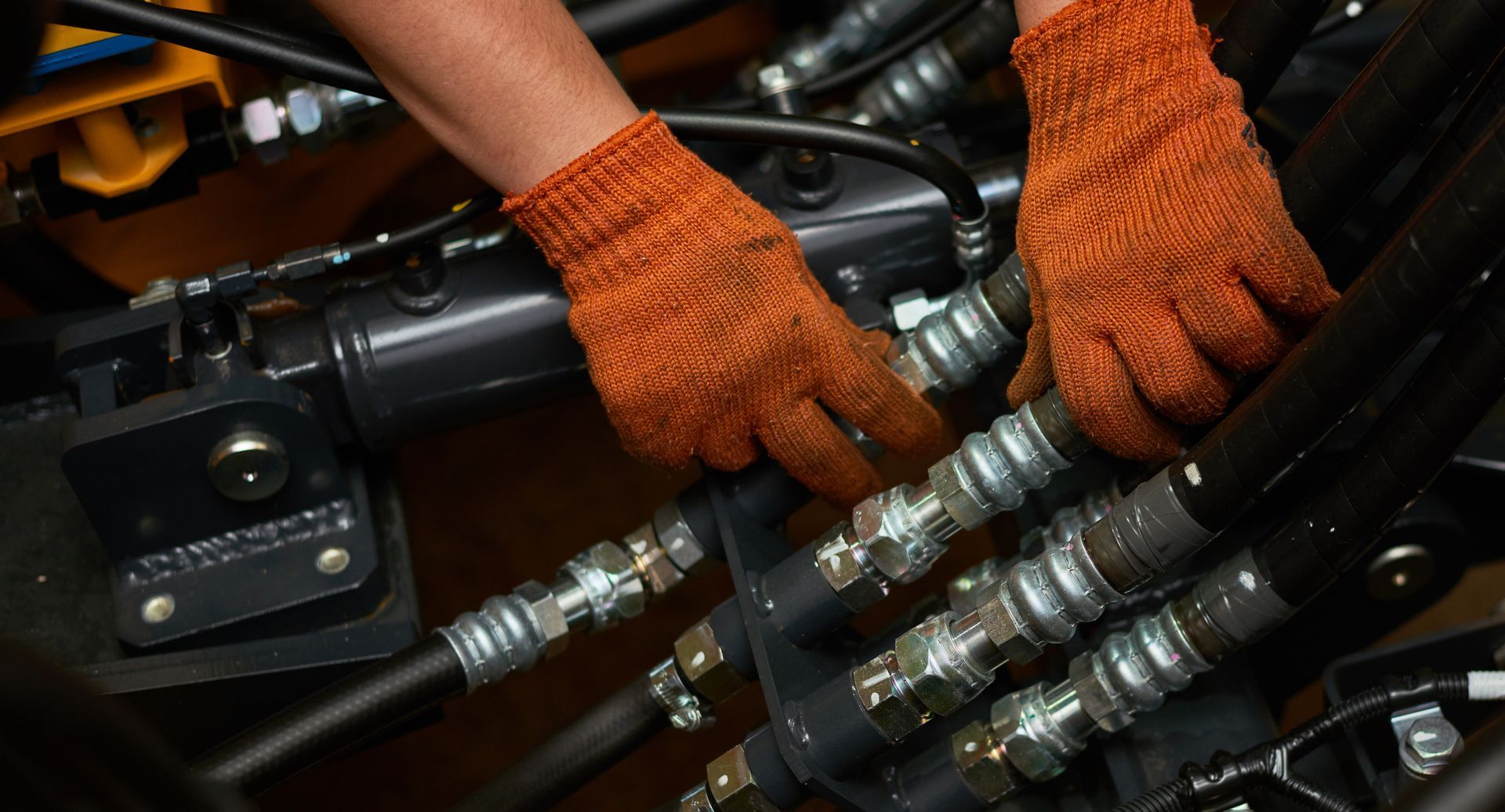
Low key photo of hydraulic pipes maintenance on heavy industry machine.
May 28, 2026
Learn why hydraulic hose repair matters in Englewood, CO. Pro Hydraulic & Machine, Inc. offers expert service. Contact us today!
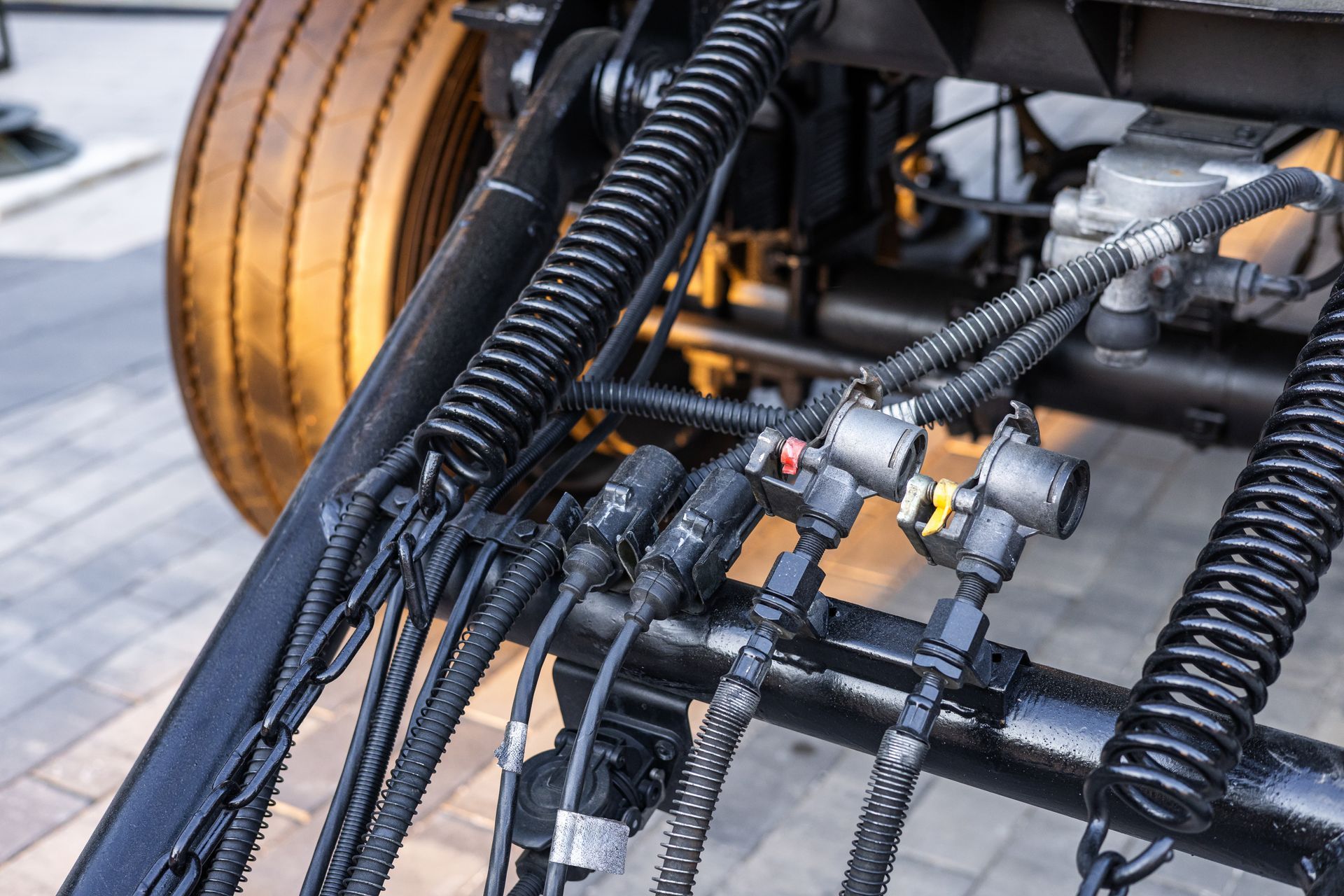
Tight focus hydraulic hose junction detail.
May 27, 2026
Need emergency hydraulic repair in Greeley, CO? Pro Hydraulic & Machine, Inc. offers fast, reliable service. Contact us today for a free estimate.
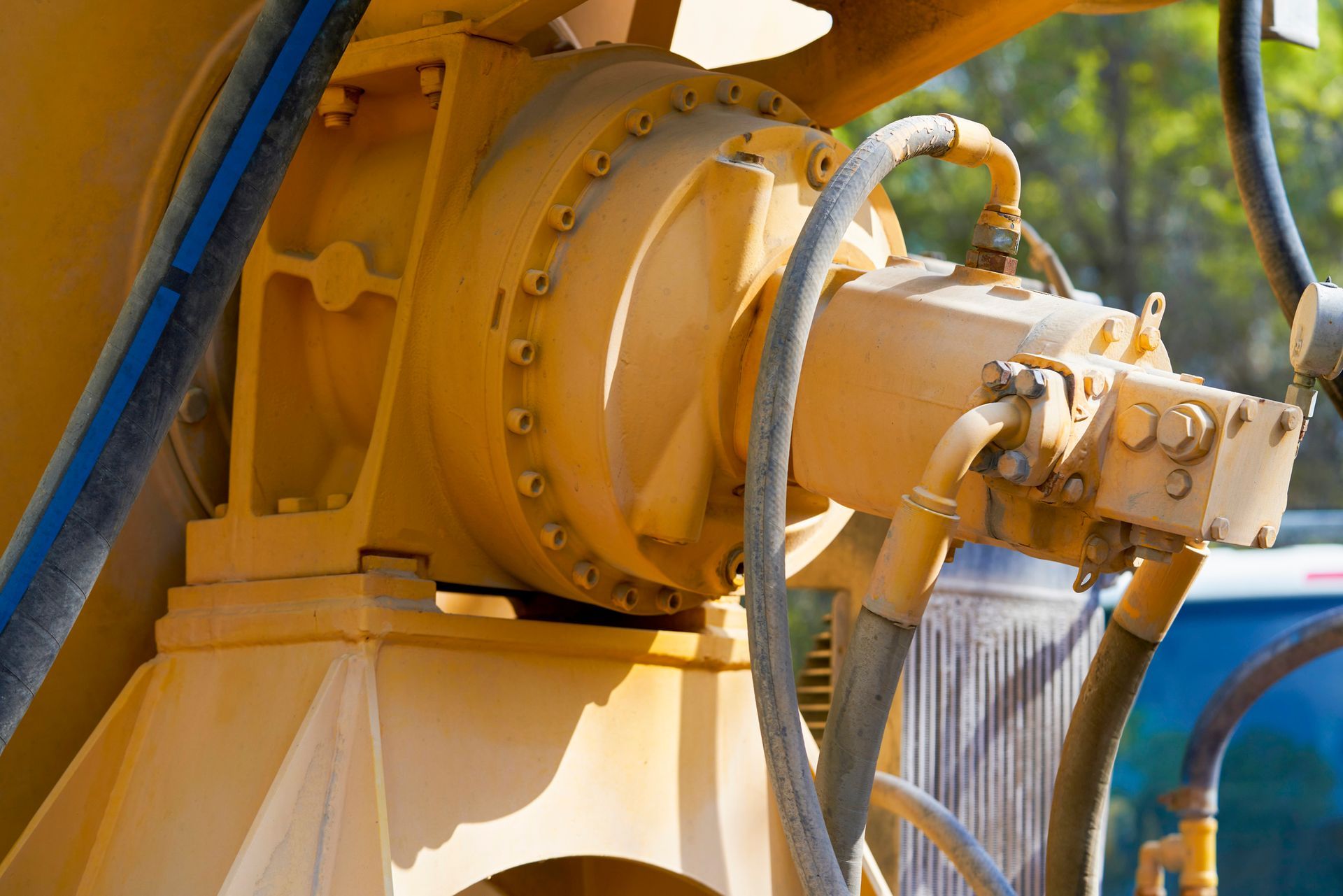
Close-up of yellow industrial machinery with hydraulic hoses.
November 14, 2025
Learn about reliable hydraulic hose repair services in Englewood, CO with Pro Hydraulic & Machine, Inc. Our blog provides insights into efficient repair services and best practices for maintaining hydraulic systems.