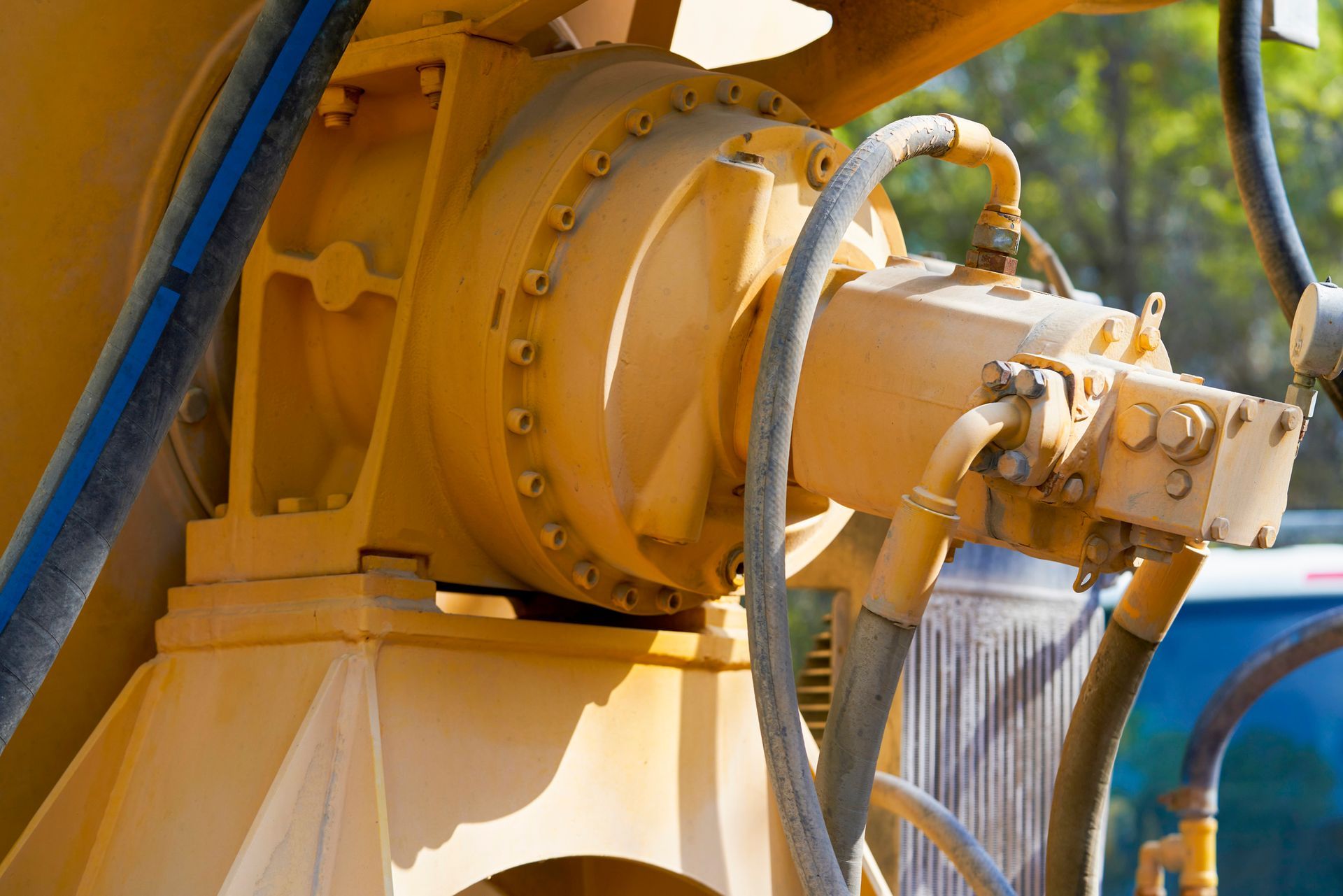
Fleet managers and equipment operators in Englewood, CO, often want to know how long a hydraulic hose repair will last before they need to act again. The honest answer is that hydraulic hose repair longevity depends on several interacting factors, and understanding them can help you plan smarter maintenance schedules and avoid costly unplanned downtime. This article covers the key variables that affect hose life, along with general inspection guidance for fleet equipment operating in the Englewood area.
What Actually Determines How Long a Hydraulic Hose Repair Lasts?
A repaired hose may last a few months or several years depending on the conditions it faces. No two fleet operations are exactly alike, and hose service life is shaped by the unique demands placed on each assembly.
Heat and Temperature Cycling
Heat is one of the most damaging forces a hydraulic hose can face. When fluid temperatures run high, the inner rubber tube can soften, swell, and degrade faster than the manufacturer's rating allows. Fleet equipment in Englewood, CO, can see wide temperature swings between the cold Front Range winters and hot summer days along the South Platte River corridor. These temperature cycles can cause the hose tube and cover to expand and contract repeatedly, which may accelerate wear over time. Keeping fluid temperatures within the system's designed range can meaningfully extend hose life.
Pressure Cycling and Surge Events
Hydraulic systems in heavy fleet equipment rarely operate at a constant pressure. Pumps cycle, loads shift, and pressure spikes can occur every time an operator actuates a control. Each pressure cycle stresses the hose reinforcement layers from the inside. High-cycle applications, such as refuse trucks, utility vehicles, and dump trucks common in the Englewood area, may see thousands of pressure cycles per shift. Over time, this fatigue can cause the hose to fail even if it looks fine on the outside.
Abrasion and Physical Damage
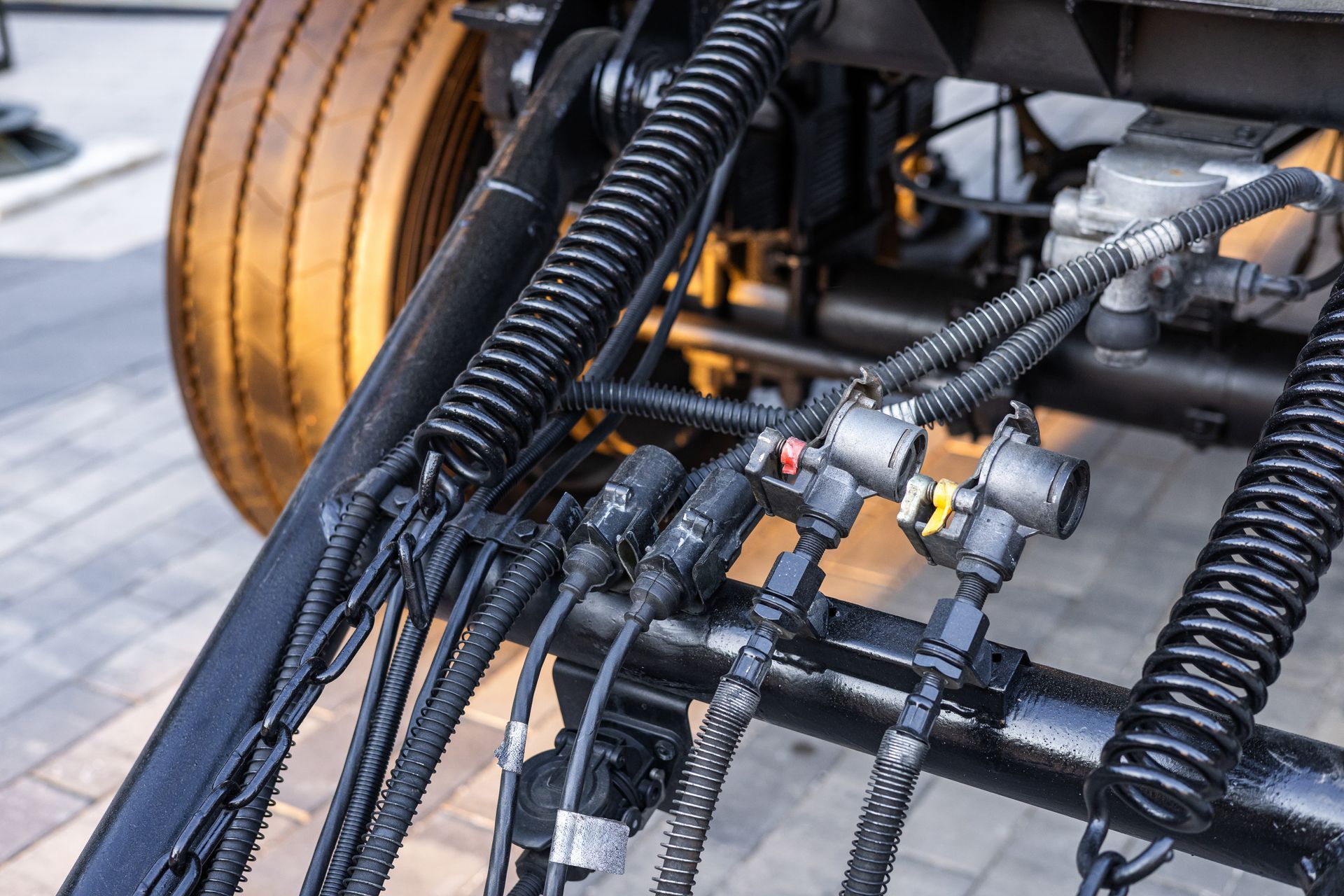
Hoses routed near sharp edges, rough metal surfaces, or moving parts are at constant risk of abrasion. The outer cover of a hose is designed to protect the reinforcement layers underneath, but once that cover is worn through, moisture and debris can attack the wire braid directly. Fleet vehicles that operate on construction sites, along South Santa Fe Drive, or in industrial corridors near the Tech Center South area may expose hoses to gravel, road debris, and tight equipment compartments. Using abrasion-resistant sleeves and proper routing guides can help, but even protected hoses need regular visual checks.
Hose Routing and Installation Quality
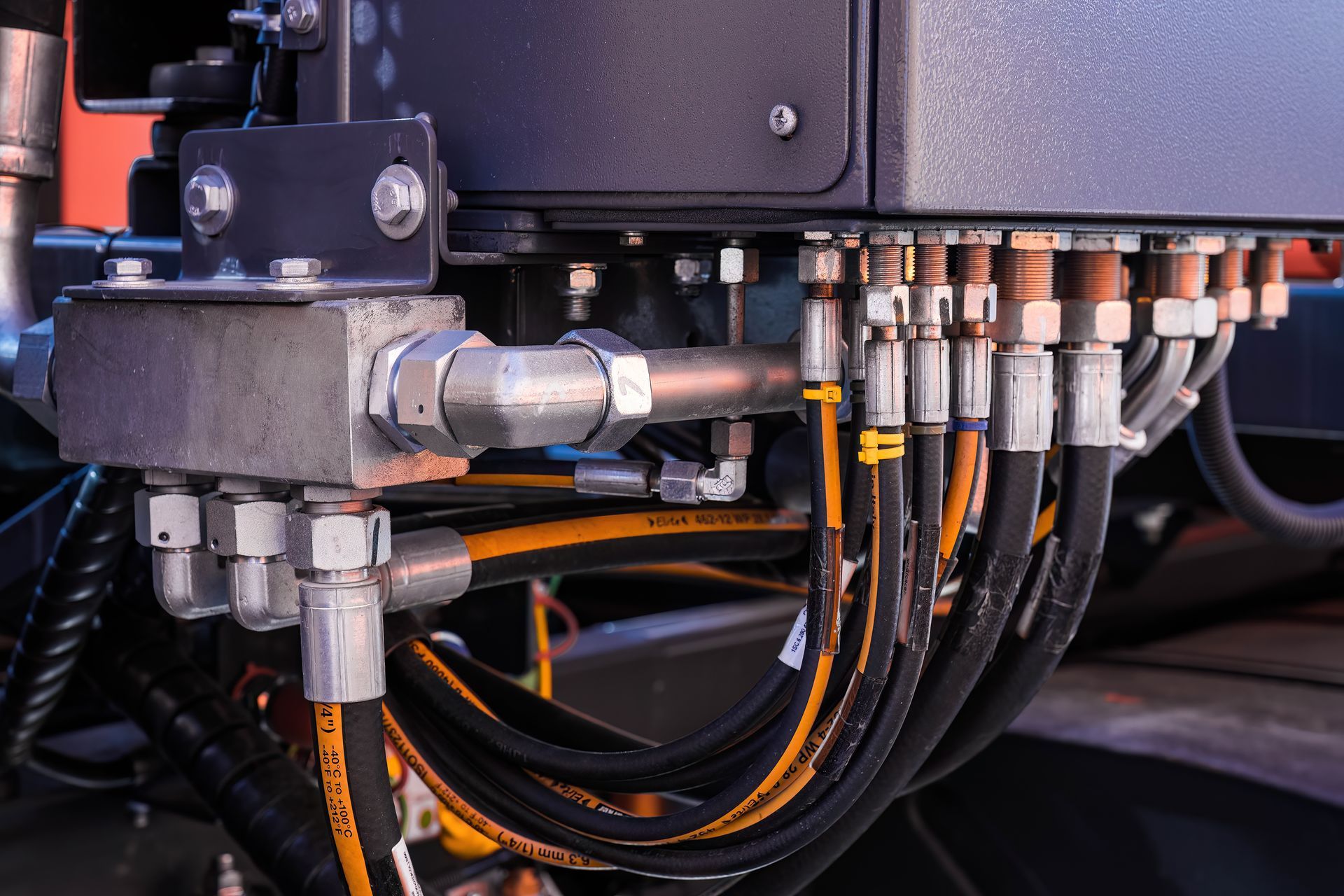
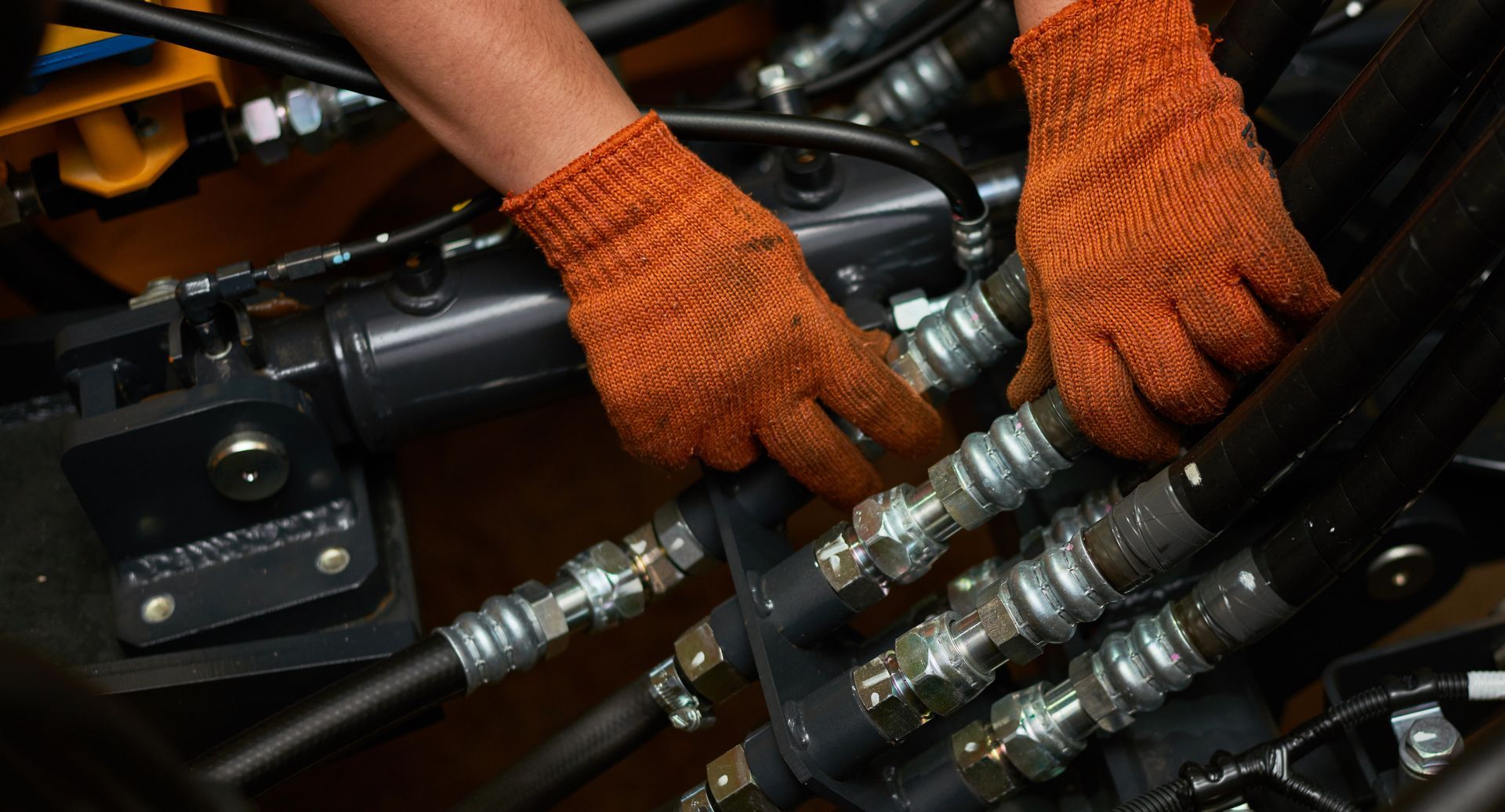
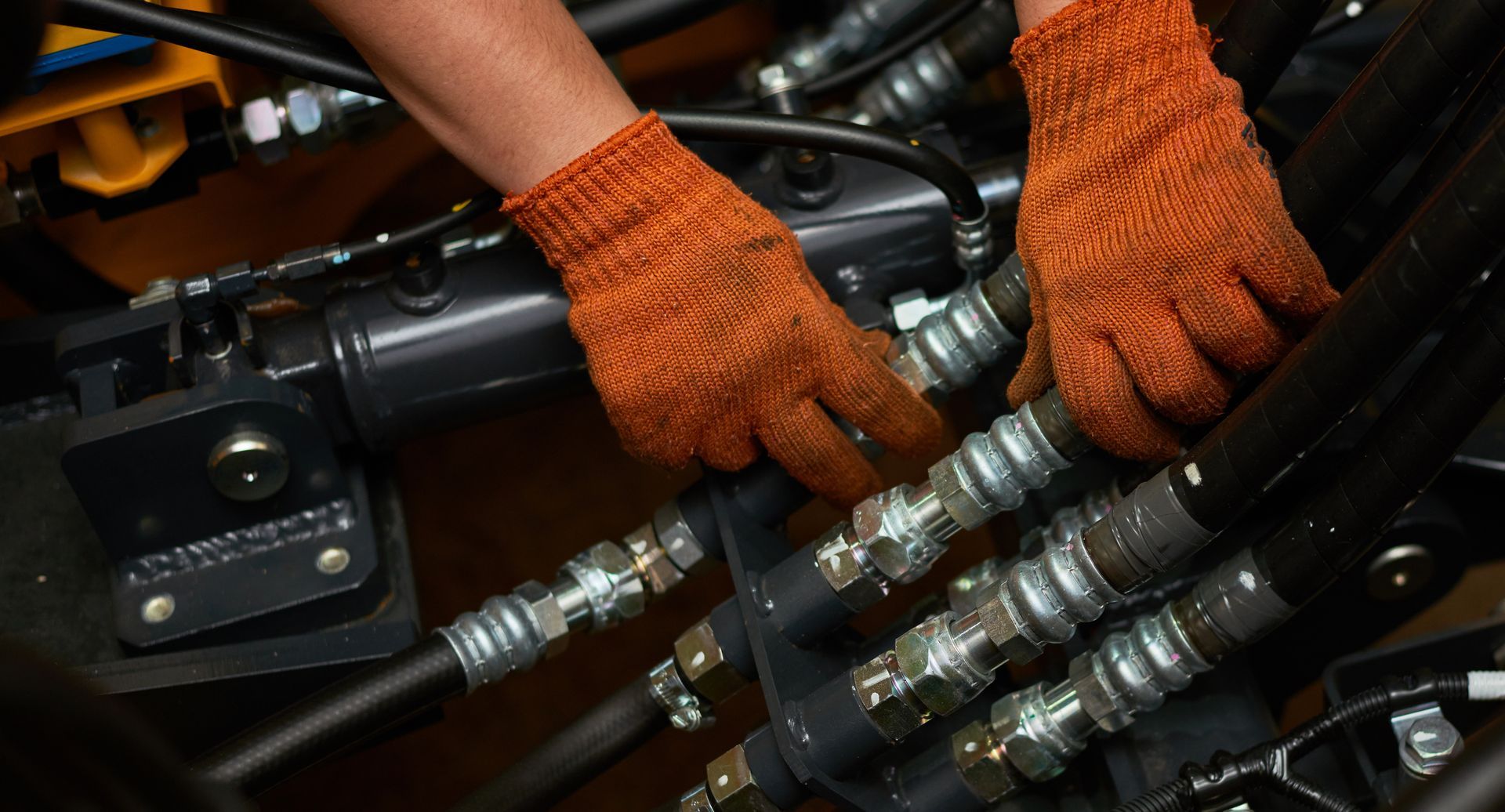
Poor routing is one of the most common reasons a hydraulic hose repair does not last as long as it should. A hose that is too short pulls at the fittings under movement. A hose that is too long may rub, kink, or get pinched. Bends that are tighter than the hose's minimum bend radius can restrict flow and crack the inner tube. A properly routed and supported hose assembly is a strong foundation for long service life.
Fluid Contamination
Contaminated hydraulic fluid can destroy a hose from the inside. Particles in the fluid act like sandpaper on the inner tube wall, while incompatible fluids can cause the tube to swell or degrade chemically. Many fleet operators do not realize that a hose repair may fail prematurely simply because the fluid in the reservoir was never tested or replaced. Routine fluid sampling is a low-cost step that can protect every hose in your fleet.
How Often Should Fleet Equipment Hoses Be Inspected?
Regular inspection is the most reliable way to catch problems before a hose fails in the field. The following intervals are offered as general guidance only and may not apply to every system or operating environment. Always follow your equipment manufacturer's recommendations.
Suggested general inspection intervals:
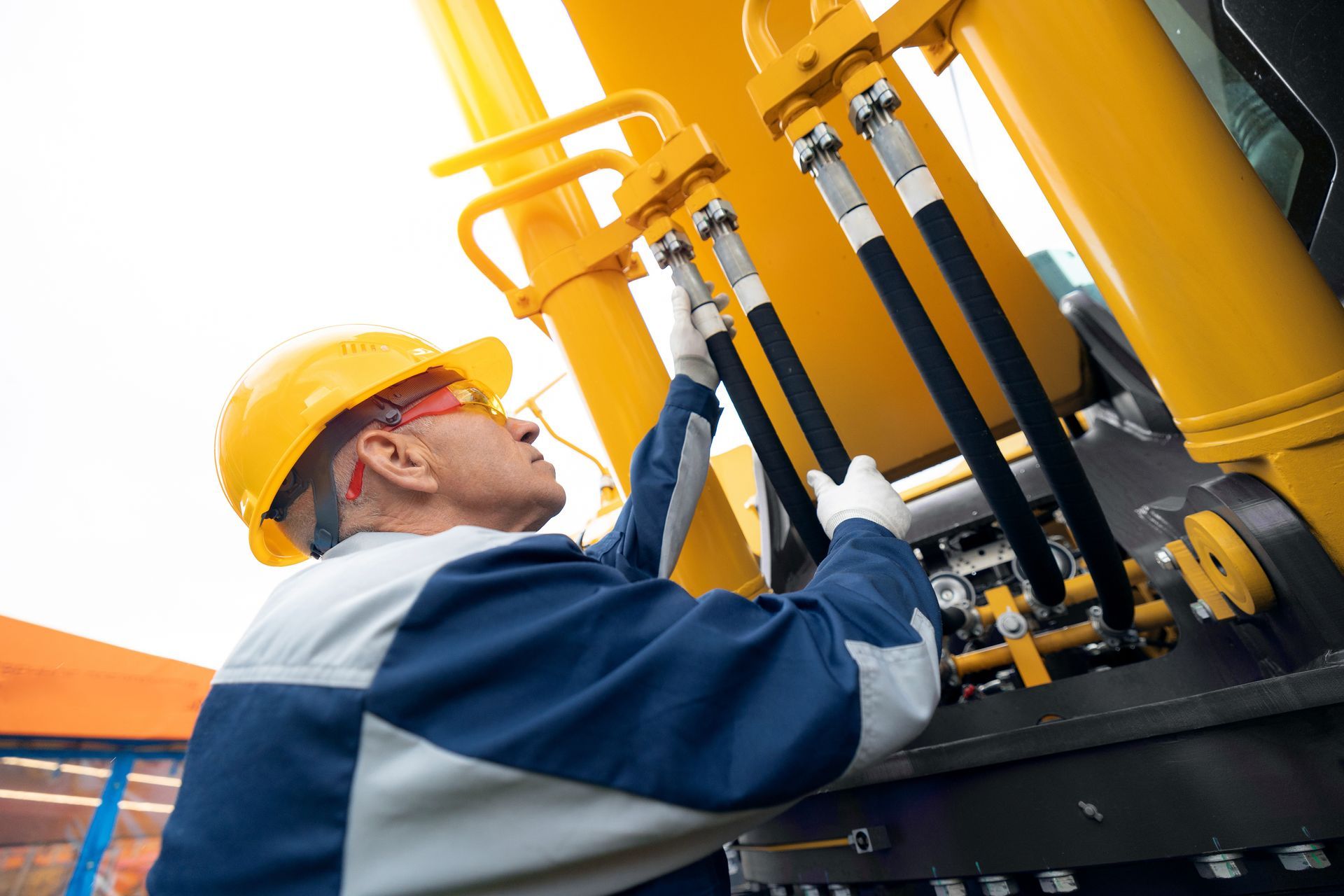
▸Weekly visual walk-around for obvious leaks, bulges, cracking, or abrasion on exposed hoses.
▸Monthly closer inspection of hose ends, fittings, and any routing points where hoses contact metal surfaces.
▸Every three to six months for a more thorough check of all assemblies, including those in protected areas of the equipment.
▸Annually, or after any major pressure event or fluid contamination incident, consider having a qualified technician evaluate the entire hydraulic circuit.
Fleet operators running demanding duty cycles in Englewood, CO, may benefit from tighter intervals. Refuse trucks, aerial lifts, and heavy-duty towing equipment often cycle hydraulic systems far more frequently than lighter applications.
Signs That a Hose Repair May Be Nearing the End of Its Life
A hose does not always give obvious warning signs, but there are things to watch for. Soft or spongy spots in the hose wall can indicate internal delamination. Stiffness or cracking in the cover suggests the outer layer has aged out. Weeping fluid around a fitting may mean the crimp is beginning to loosen. Any visible kink or permanent bend should be taken seriously, as the reinforcement may already be compromised. Catching these signs early can prevent a full blowout on a job site or in traffic.
You can learn more about available hose services on the
Custom Hose Fabrication page.
Get Your Hydraulic Hose Repair Right the First Time
When hose life matters for your Englewood fleet, working with an experienced shop can make a real difference. Pro Hydraulic & Machine Inc., serving Englewood, CO, and the greater Denver metro area, brings over 30 years of experience repairing and fabricating hydraulic hose assemblies for construction, fleet, and industrial equipment.
The team uses quality materials, proper crimping, and hands-on inspection to help repairs last as long as possible.
Call
(303) 420-9866 for a free estimate or to schedule service. Free same-day pickup and delivery may be available for your equipment.
Contact the team online to get started. You can also find the shop and read more about their services at
Pro Hydraulic & Machine Inc. on Google.